Some photos feel like a deleted scene — and the internet refuses to let them disappear.
Tobey Maguire’s early-2000s celebrity era is easy to recognize: red carpets, flash photos, candid street shots, that “quiet leading man” image that never felt overly manufactured. And because most people met him through Spider-Man—where the hair stayed soft, short, and clean around the edges—any resurfaced longer-hair moment lands harder than it should. Same face, same gentle features… but the silhouette shifts, and suddenly he looks less “Peter Parker on duty” and more like a real person caught between premieres and normal life.
That’s the engine behind Tobey Maguire long hair trending again. It’s one of those looks that gets rediscovered every few months, then spreads again through saves—especially when people are browsing celebrity hair pages or scanning what’s resurfacing in hair trends.
Why Tobey Maguire long hair keeps trending
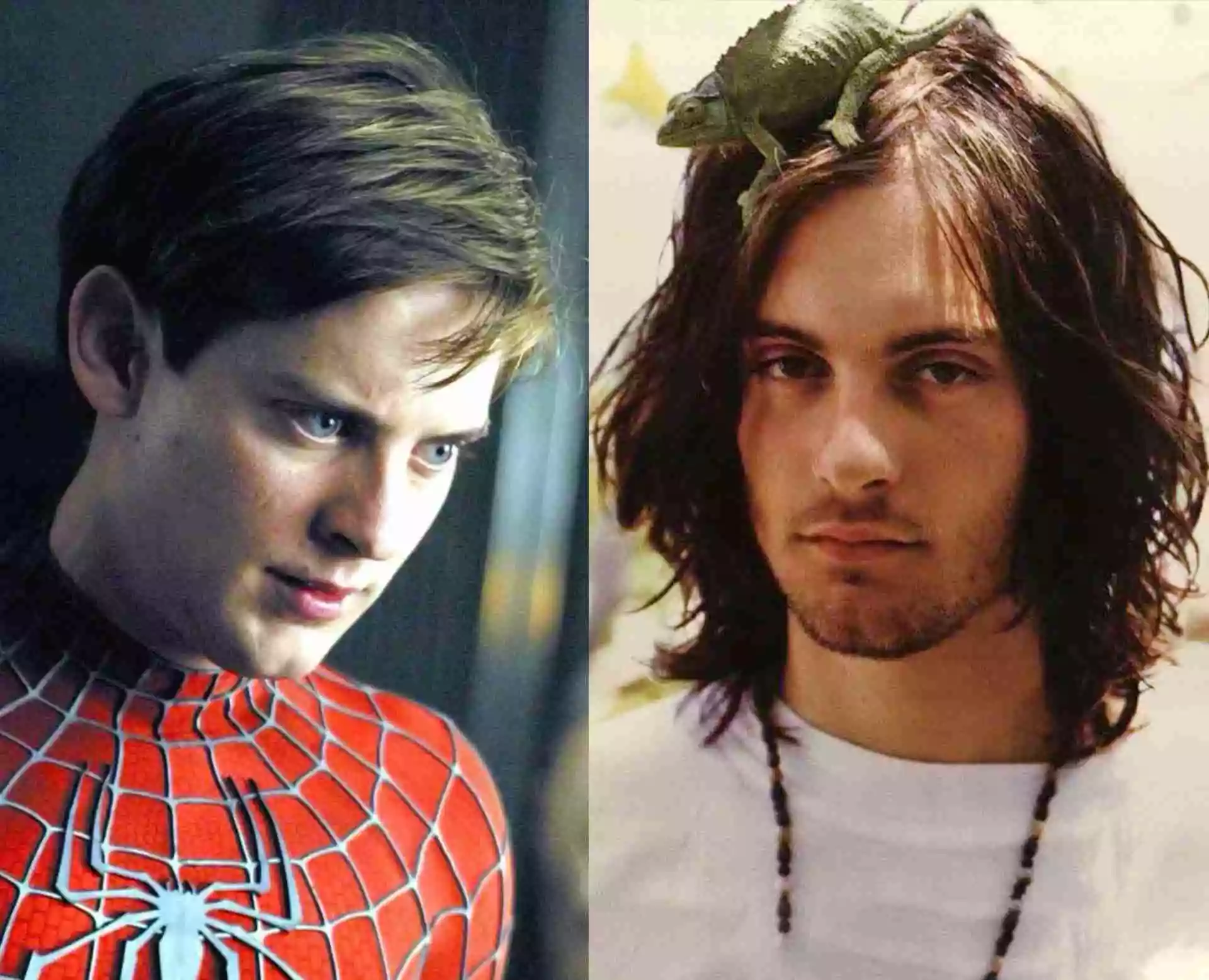
The obsession isn’t about extreme length. It’s about a subtle silhouette shift that reads celebrity-candid instead of movie-ready. In Spider-Man, the shape is controlled: short, tidy, and designed to keep Peter Parker recognizable at every angle. In the longer-hair photos, that control drops—and the vibe becomes softer, more off-duty, more “caught by a camera.”
What keeps showing up in the most reposted longer-hair photos:
- Softer outline (no sharp edging)
- More side weight (the head shape reads rounder/softer)
- Natural finish (low shine, lived-in texture)
- Front often stays open (still recognizable at a glance)
If you’re collecting references, it also fits neatly alongside broader long hair styles—and it’s an especially useful benchmark for men’s long hair when you want something longer without going full dramatic length.
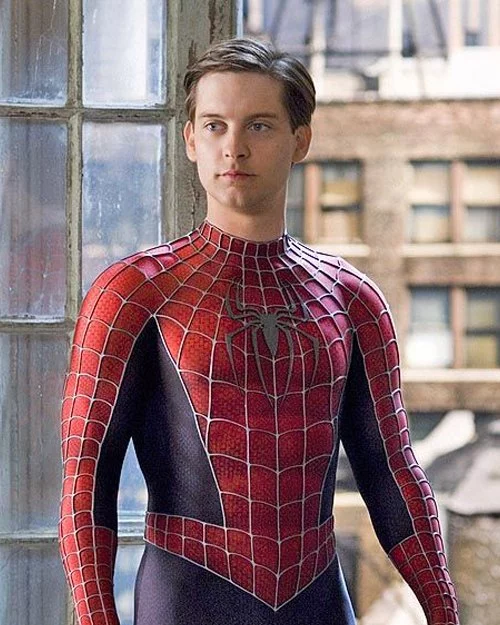
Spider-Man baseline (short hair reference)
Most people remember Tobey first with the Spider-Man-era short cut: soft, slightly tousled, and tidy around the edges. That baseline matters because it’s the “default” burned into memory—so when longer hair shows up, it feels like you’re seeing a different timeline.
Tobey Maguire long hair: the longer-hair phase in 2 photo-consistent looks
Instead of over-splitting the era into “too many” looks, here are two that match what commonly shows up in resurfaced longer-hair photos. They differ mainly by parting and texture, while keeping the same overall length zone.
Look 1 — Shoulder-skimming messy middle part
This is the instantly recognizable one: longer hair sitting around the jaw-to-shoulder zone, with a loose middle part and a slightly messy, candid finish. If Spider-Man hair is “camera-proof,” this is the opposite—human, imperfect, and therefore more interesting to stare at.
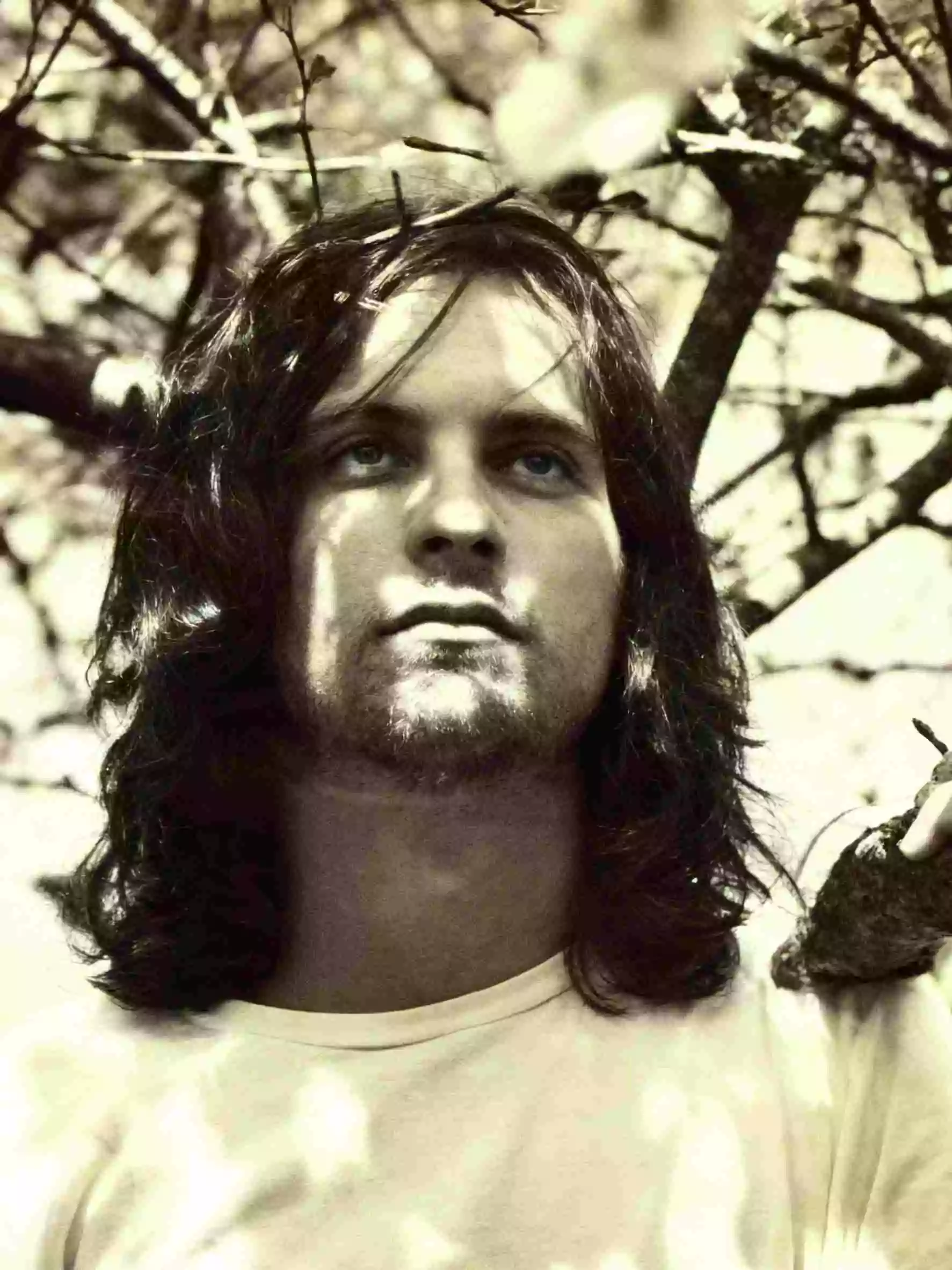
What to notice:
- Length sits around jaw-to-shoulder
- Part is loose (not a sharp line)
- Sides feel full, not tapered tight
- Finish looks unstyled-on-purpose
Why it photographs so well:
- The middle part frames the face without hiding it
- The side weight makes the silhouette look softer on camera
- Slight messiness reads “real moment,” not “styled moment”
Who it flatters most (quick, practical):
- Great if you want the face to read softer on camera, especially with a wider forehead or stronger jawline
- If you’re unsure, run a quick AI Face Shape Analysis and compare a center part vs a softer sweep (you can also explore the face shapes hub for visual examples)
Look 2 — Shoulder-length textured shag (more separation, more movement)
Same general length zone, but with more visible separation and motion. It reads more “off-duty” because the ends don’t sit as one solid shape. It’s the kind of hair that would never survive a Spider-Man continuity check—yet that’s exactly why it feels alive in these photos.
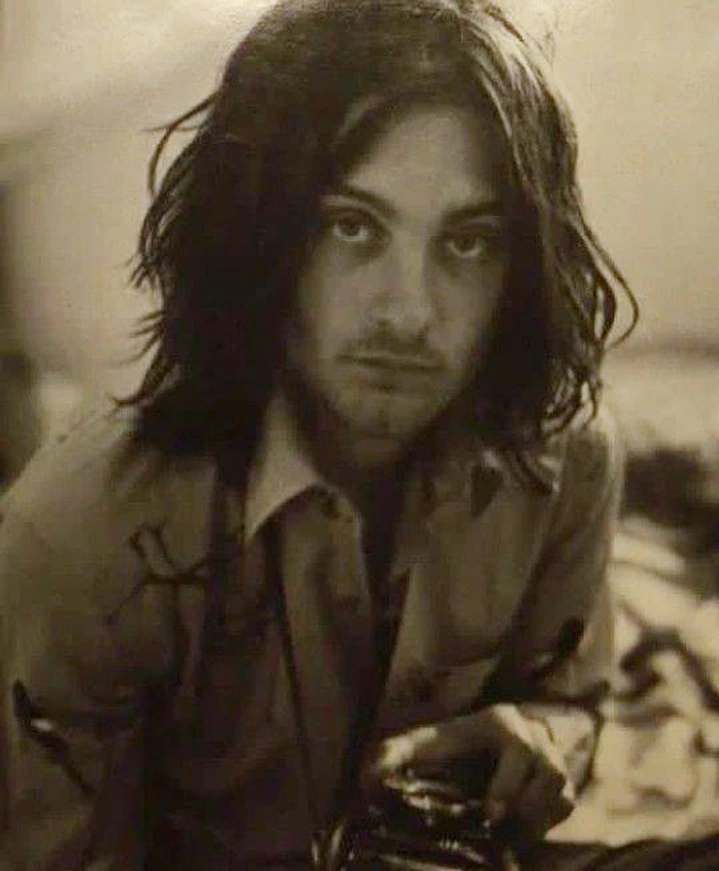
What to notice:
- Ends look piecey, not blunt-perfect
- Texture looks lived-in, not glossy
- Front can sweep slightly, but doesn’t stay in the eyes
Why it feels more “celebrity candid”:
- The movement makes it look like it was captured mid-step
- Separation keeps it from turning into a helmet shape
- Low shine keeps it believable in flash photography
Who it works best for:
- If your hair naturally bends, waves, or expands, this style gets “alive” faster
- For more texture-friendly references, browse curly hair ideas and borrow the same “soft perimeter, side weight, low shine” rules
The “celebrity details” that make it look like Tobey (not a random long haircut)
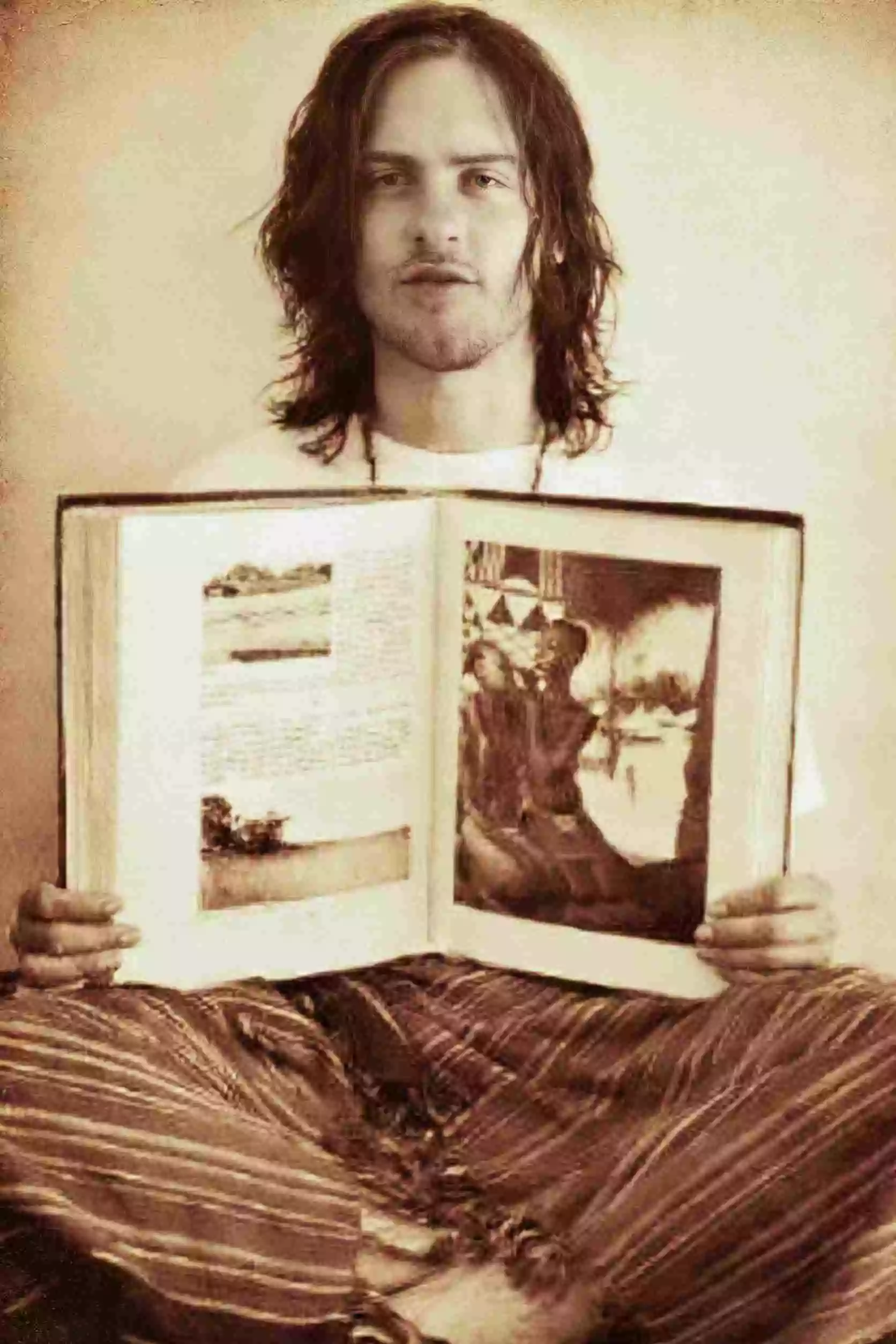
If you’re using this as a reference, these small choices matter more than perfect length:
- No hard part line: a crisp part makes it look too deliberate
- No sharp perimeter: keep the edges soft, slightly grown-out
- Avoid high gloss: too much shine instantly reads “styled”
- Keep side weight: thinning too much removes the signature softness
That last point is especially important if you want to wear it in real life settings—this kind of hair can read “effortless” in photos, but it only stays flattering if the ends aren’t wispy or broken (start with hair care if your ends dry out easily).
What to ask for at the barber (photo-accurate, not generic “long hair”)
The easiest way to miss the look is to ask for “long hair” without shape and weight.
Say this instead:
- “I want shoulder-skimming length with a soft perimeter.”
- “Keep the sides full enough to sit naturally—no tight fade.”
- “Add light layering for movement, but don’t over-thin the ends.”
- “I want to wear it with a loose middle part or a natural sweep.”
If you’re building a reference folder, use your two images like this:
- “This one is the length + part.”
- “This one is the texture + finish.”
And if you’re aiming for a setting-specific version:
- For a cleaner, more readable everyday look (meetings, interviews, video calls), lean neater—see office styles.
- For event photos (flash, candid angles, “soft silhouette” moments), lean more texture—see wedding hair ideas.
60-second styling (so it looks like the photos)
The goal is low shine + natural separation—think “real life captured,” not “perfect hair day.”
Straight hair
- Towel dry → pea-size light cream → finger-part → air dry
- If it looks too flat, tap a tiny amount of matte cream on the ends
Wavy hair
- Towel dry → light texture mist → one gentle scrunch → hands off
- Let it dry naturally so it separates instead of puffing up
Frizz-prone hair
- Small amount of leave-in conditioner on damp hair
- Avoid brushing dry; comb only when damp
Related help (to keep “off-duty” from turning into “messy”):
- /detangle/ (brush without puffing it up)
- /split-ends/ (when ends start looking rough)
- /routine/ (a simple weekly plan that keeps it intentional)
- /maintenance/ (trim timing + shape upkeep)
- /care/ (the basics that keep the silhouette soft, not frayed)
Don’t accidentally ruin the vibe (common misses)
A few choices make recreations look “wiggy” instead of natural:
- Too much product → shiny + stiff
- A hard part line → overly styled
- Over-thinning → stringy ends
- Trying to jump to extreme length → wrong silhouette
If it feels effortless, it usually looks more accurate. For more reference browsing, start from styles and filter by your hair type and daily setting.
Where this fits in your celebrity cluster (what to compare next)
If you’re browsing celebrity long hair references, these contrasts help you calibrate vibe and silhouette:
- cm punk long hair — sharper silhouette, more rebellious energy
- lisa rinna long hair — iconic volume and identity styling
- rose namajunas long-hair — cleaner outline, athletic edge
And if you want the wider map again, the celebrity hub is the best place to branch out by name, era, and silhouette.
Try the tools on your photo
If you want to test the vibe before committing to a cut, these tools are the fastest way to preview shape, length, and tone: