Copper hair has outpaced the cool blondes and ash browns that defined the last decade, becoming one of the most requested salon colors today. Led by cowboy copper — the earthy, leather-toned shade that went viral and never faded — the trend brings warmth, depth, and natural radiance without feeling loud or artificial. On long hair, copper creates dimension that cooler shades cannot touch: every layer and wave catches light differently, shifting from amber to gold to bronze as you move.
From the muted richness of cowboy copper to the soft glow of strawberry copper and the deep drama of dark auburn, this guide covers the most popular copper hair color ideas — plus how to choose the right shade, keep it from fading, and preview each one risk-free before your salon visit.
After a decade of icy tones, copper feels like a reset. Here is what sets each shade apart.
Popular Copper Hair Colors
Cowboy Copper Hair
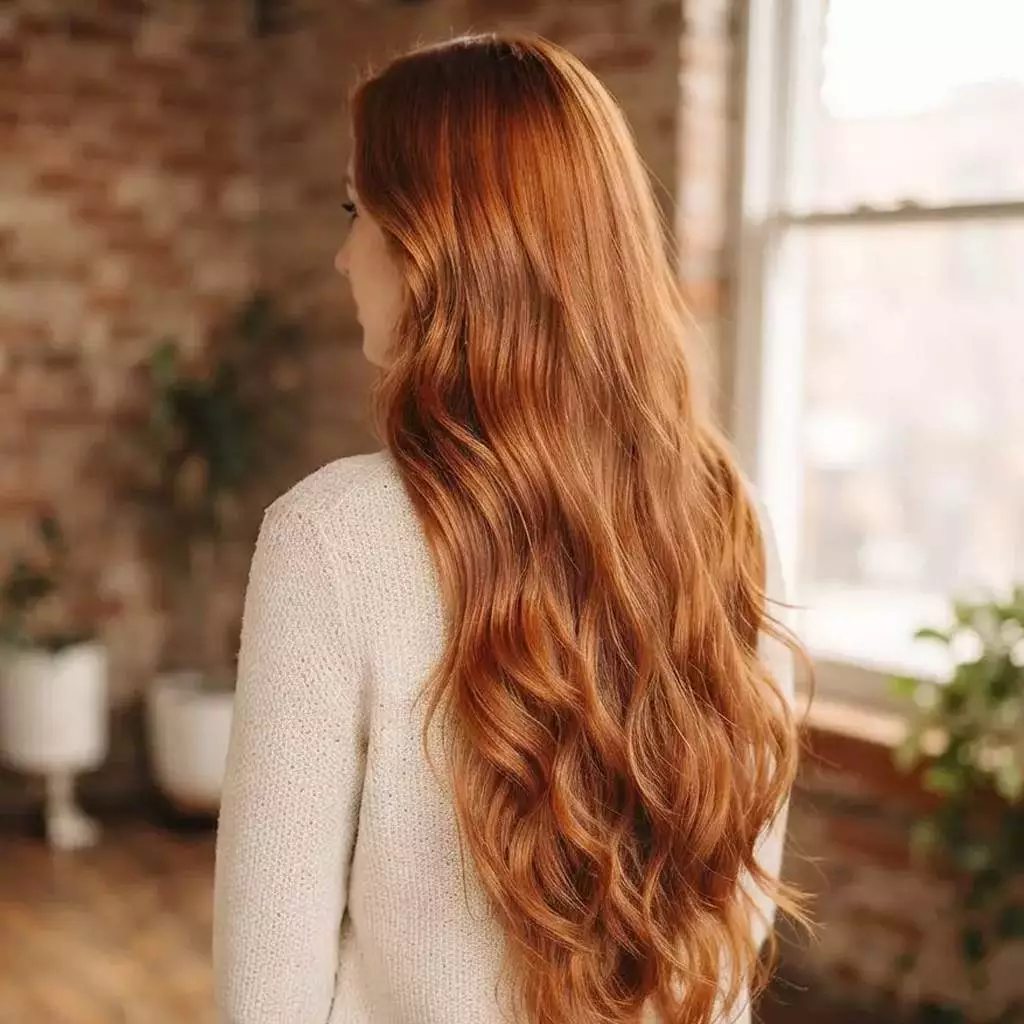
Cowboy copper is the trend that brought copper back. It is a muted, earthy copper that blends auburn, terracotta, and golden bronze — think worn leather, desert landscapes, and autumn sunlight rather than bright orange.
The brown undertones keep it grounded and natural, which is why it has become the go-to entry point for people trying copper for the first time.
Cowboy copper is a great choice if you:
- Want warm depth without brightness
- Prefer natural-looking, lived-in color
- Have warm or neutral undertones
- Want a shade that works year-round
On long layered hair, cowboy copper looks especially dimensional — the deeper roots and lighter ends create a sun-faded effect that feels effortless. Ask your stylist for a cowboy copper balayage with a shadow root for the most natural grow-out.

Classic Copper Hair
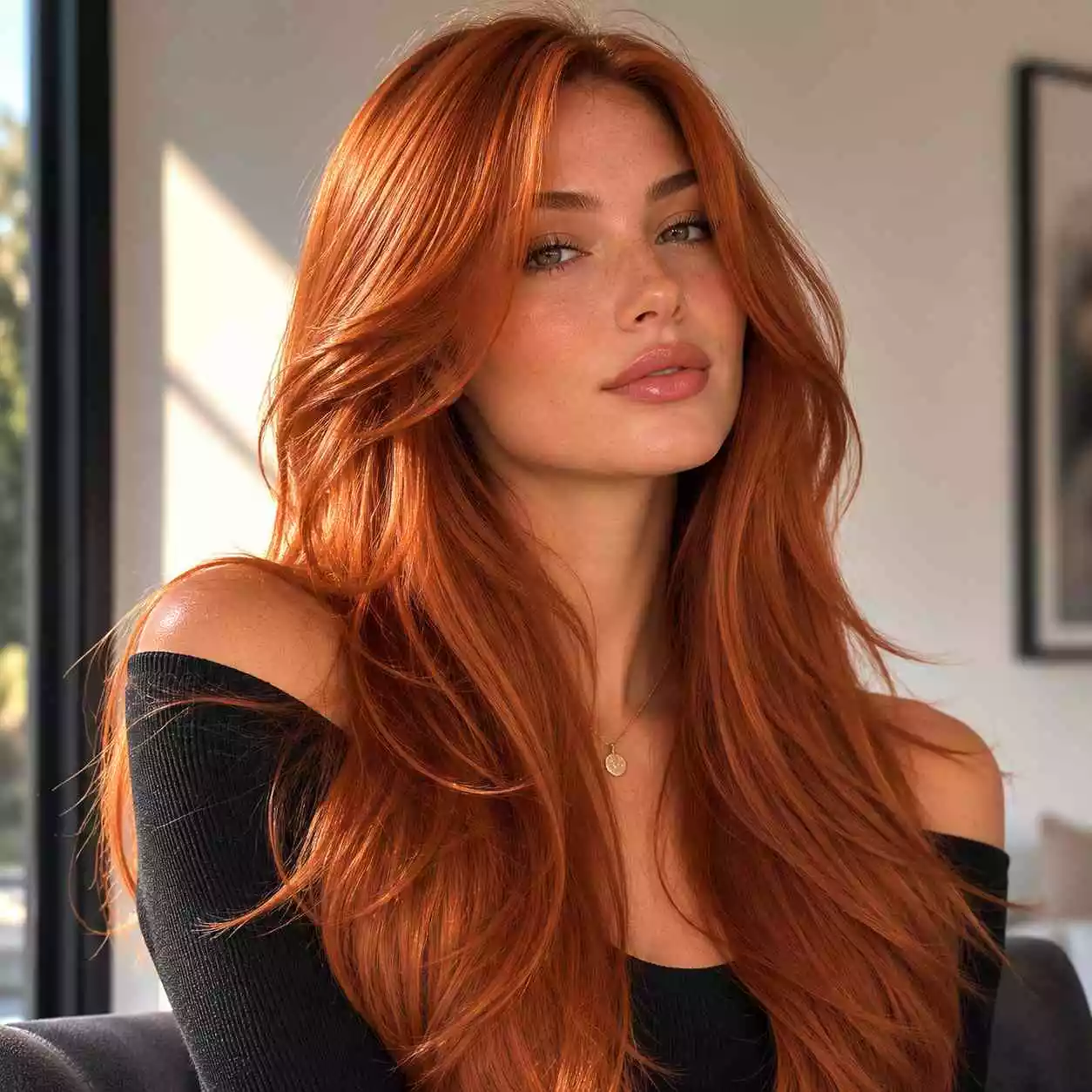
Classic copper is the shade most people picture when they think of copper hair — a pure, vibrant orange-red copper that is bold without being neon. It sits right between cowboy copper's subtlety and fiery red's intensity.
This shade makes a confident statement. On long hair, classic copper creates a glossy, high-impact finish that looks best with smooth blowouts and sleek straight styles, where the uninterrupted surface shows off the color's natural shine.
Classic copper suits:
- Fair to medium skin with warm undertones
- People ready for a noticeable but wearable transformation
- Straight or softly waved long hair
Because classic copper is more vibrant than muted shades, it benefits from a consistent maintenance routine to keep the intensity looking fresh. More on that below.
Light Copper & Peach Copper Hair
Light copper and peach copper are soft, delicate entries into the copper family. They blend pale copper with hints of rose gold and peach, creating an almost pastel warmth that suits fair and light-medium skin tones especially well.
If you are currently blonde — especially honey blonde or strawberry blonde — light copper is a natural next step. It adds noticeable warmth without the depth or intensity of darker copper shades.
Light copper works beautifully with:
- Fair skin with warm or neutral undertones
- Beach waves and soft curls that break up the color
- Curtain bangs and face-framing layers
The subtlety of light copper means it fades gracefully into a soft golden tone, making it one of the lowest-maintenance ways to wear copper.
Dark Copper & Auburn Copper Hair
Dark copper and auburn copper sit at the richest end of the spectrum. These shades blend deep reddish-brown bases with warm copper highlights, creating a luxurious, multidimensional finish.
If you have naturally dark hair, these are the most practical copper options — they add warmth without requiring significant pre-lightening. The dark base also means the grow-out is nearly invisible, making them the lowest-maintenance copper choices available.
Dark copper pairs especially well with:
- Medium to deep skin tones, where rich warmth looks especially striking
- Brown or dark brown natural hair
- Long layered cuts that reveal tonal depth as you move
In low light, dark copper reads as a deep auburn brown. In sunlight, the copper tones ignite — giving you two colors in one depending on where you are.

Strawberry Copper Hair
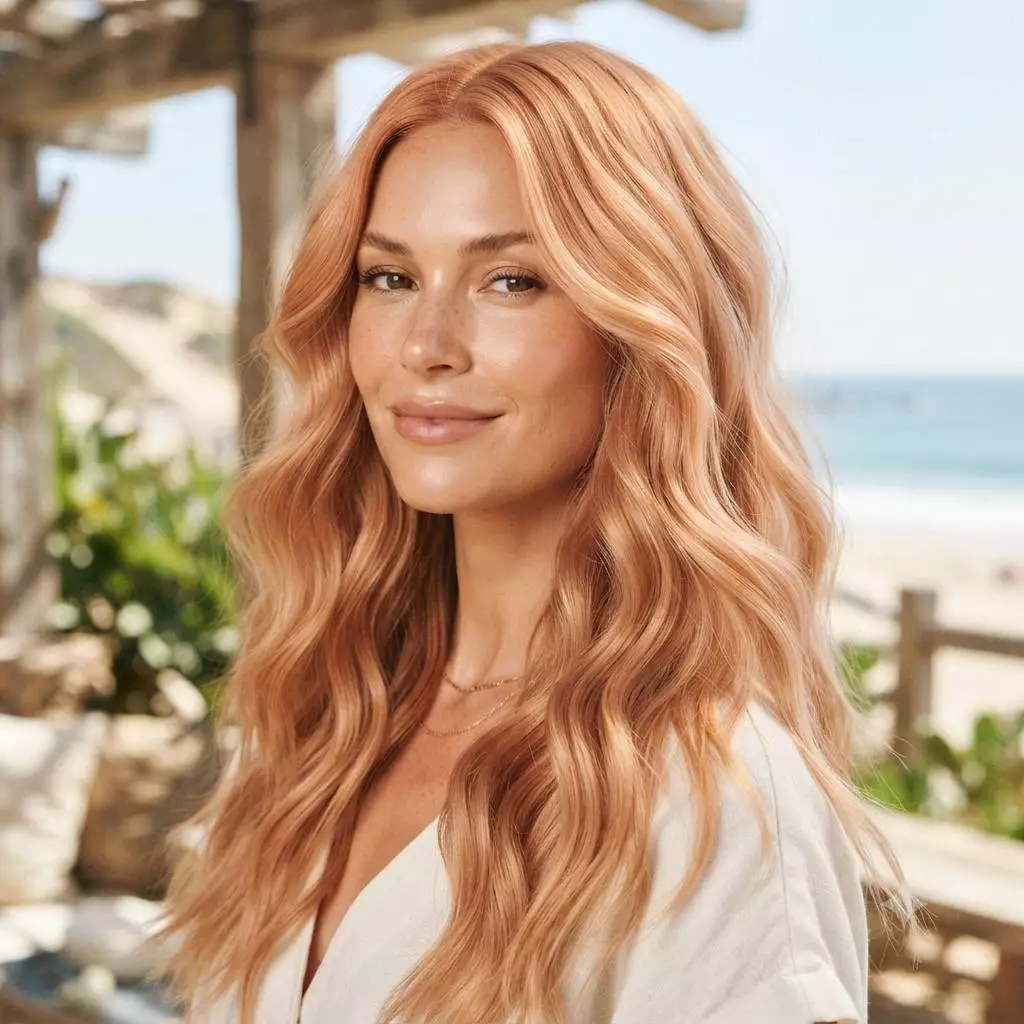
Strawberry copper lives at the intersection of copper and blonde. It blends soft golden-blonde tones with warm copper, creating a romantic, sunlit warmth that feels more delicate than classic copper.
If you love strawberry blonde but want something warmer, or if copper appeals to you but you are not ready for full orange-red intensity, strawberry copper is the sweet spot.
Strawberry copper is a great choice if you:
- Currently have blonde or light brown hair
- Want warmth without going fully into red territory
- Prefer subtle, feminine color
- Have fair or light-medium skin with warm or neutral undertones
On long wavy hair, strawberry copper creates a soft, golden-hour glow that photographs beautifully in natural light.

Ginger Copper Hair
Ginger copper closely resembles natural red hair, with soft auburn-copper undertones that read as authentic and effortless. It is lighter and more golden than classic copper, with significantly less orange.
If you want copper that looks like it could be your natural color, this is the shade. It pairs beautifully with fair, freckled complexions but also works with neutral undertones.
Ginger copper fades gracefully into a soft strawberry tone, so touch-ups are less urgent compared to brighter copper shades. Soft curls and natural texture styles show it off best — messy updos, half-up looks, and loose braids all complement ginger copper effortlessly because the organic tone makes even casual styles feel intentional.

Copper vs. Red Hair: What Is the Difference?
People often search for copper and red interchangeably, but they are not the same thing. Understanding the difference helps you communicate clearly with your stylist and get the result you actually want.
| Copper Hair | Red Hair | |
|---|---|---|
| Base tone | Orange-gold with warm undertones | Covers a wide range from orange-red to blue-red |
| Vibe | Warm, earthy, natural-looking | Can be warm or cool depending on the shade |
| Examples | Cowboy copper, strawberry copper, ginger copper | True red, cherry red, burgundy, mahogany, auburn |
| Fading | Fades to a softer golden-warm tone | Cool reds fade to muddy brown; warm reds fade to orange |
| Skin tones | Best on warm and neutral undertones | Cool reds suit cool undertones; warm reds suit warm undertones |
If you want warmth, richness, and a color that feels organic rather than dramatic, copper is usually the better choice. If you want high-impact, editorial color, traditional red or burgundy might be what you are looking for instead.
Copper Balayage, Highlights & Money Piece
Not ready to commit to all-over copper? These partial techniques let you add warmth gradually.
Copper Balayage
Copper balayage hand-paints warm tones through your base color, leaving the roots darker and concentrating copper toward the mid-lengths and ends. The result is soft, dimensional, and grows out seamlessly.
This is the best option if you have brown or dark blonde hair and want to try copper warmth without a dramatic change. The darker root keeps the look grounded, while the copper ends catch light with every movement. Not sure how balayage would look on you? Preview it instantly with our AI Hair Color Try On.
Copper Highlights
Copper highlights weave fine warm pieces throughout your hair, placed closer to the root than balayage. They create more overall brightness while keeping the result soft.
Finer highlights look more natural; bolder, chunkier pieces lean more editorial. If you are unsure, start with finer highlights and go bolder on the next appointment.
Face-Framing Copper & Money Piece
A copper money piece concentrates the brightest warm tones in the front sections around your face. It instantly brightens your complexion while keeping the rest of your hair closer to your natural shade.
This is the lowest-commitment way to try copper. The front panels can be refreshed as needed without touching the rest of your hair.
How to Choose the Right Copper Shade
With so many copper variations, narrowing it down to the right one comes down to three things:
1. Your skin tone. This is the most important factor. Warm and neutral undertones can wear nearly every copper shade. Cool undertones should lean toward shades with brown or rose-gold depth — dark auburn copper, cowboy copper, or strawberry copper — which add warmth without clashing.
2. Your starting color. Light brown to dark blonde hair can achieve natural-looking copper in a single session. Dark brown and black hair can reach rich dark copper and auburn tones without pre-lightening, but brighter coppers may need lightening first. Current blondes can transition to light copper or strawberry copper with minimal processing. Still on the fence? Compare your options in our Blonde Hair Ideas guide.
3. Your maintenance tolerance. Be honest about how often you are willing to visit the salon. If you wash daily, swim, or spend lots of time outdoors, choose muted or deep tones — cowboy copper and dark auburn copper hold up much better than bright classic copper.
Still unsure? The fastest way to decide is to see the shades on your own photo. Our AI tool lets you compare side by side in seconds.
👉 Try All These Copper Shades on Your Photo Now
How to Keep Copper Hair from Fading
Here is the honest truth about copper maintenance: copper fades faster than almost any other hair color. The pigment molecules are physically larger than brown or blonde molecules, so they slip out of the hair shaft more easily with every wash.
This does not mean copper is too high-maintenance to be worth it — it just means you need the right habits. The good news is that a few small changes make a dramatic difference.
The Basics
Switch to sulfate-free shampoo and conditioner. Sulfates strip color aggressively. Products labeled for color-treated hair or specifically for red and copper tones are worth the upgrade.
Wash with cool water. Hot water opens the hair cuticle and lets color escape. Lukewarm to cool water seals it. This single habit can add weeks to your color's life.
Wash less often. Every wash fades copper a little more. Dry shampoo extends the time between washes, and on non-wash days, a quick rinse with cool water and conditioner is enough to refresh without stripping color.
Between Appointments
Use a copper color-depositing conditioner. These conditioners deposit a small amount of warm pigment with each use, refreshing your copper tone without a salon visit. Use once a week or every other week depending on how fast your color fades.
Schedule gloss treatments every 4–6 weeks. A clear or copper-tinted gloss restores shine and evens out tone without a full color service. For vibrant shades like classic copper, this is almost essential.
Daily Protection
Heat protectant is non-negotiable. Blow-drying, curling, and straightening accelerate fading significantly. Apply a protectant every time you use hot tools.
UV rays fade copper fast. A leave-in conditioner with UV filters or simply wearing a hat on long outdoor days helps preserve warmth. This matters especially in summer, when copper is exposed to both sun and salt or chlorine.
Deep condition weekly. Color-treated hair loses moisture faster, and dry hair looks duller — which makes faded copper look worse than it actually is. A weekly mask keeps hair hydrated, shiny, and healthy.
Long Hair Makes Copper Even Better
Copper hair and long hair are a perfect match for a simple reason: length gives warm tones room to move. On a bob or lob, copper color is concentrated in a small area. On long hair, highlights, balayage, and blended tones flow naturally from root to tip, creating visible depth that shifts with every step.
Layered cuts — especially long layers, butterfly cuts, and curtain bangs — work best because the varying lengths create multiple surfaces for light to hit. Darker roots melting into copper mid-lengths and ends look intentional and dimensional — not harsh or obvious.
Soft waves and loose curls show off copper better than pin-straight hair. The bends and curves create lighter highs and deeper shadows, making the color look dynamic and alive.
For more ways to style long hair, browse our collection of Long Hairstyles.
Try Copper Hair Before You Commit
Choosing between cowboy copper, strawberry copper, and dark auburn copper from inspiration photos alone is difficult. The same shade can look completely different depending on your starting color, skin tone, and lighting.
Upload your photo to our AI Hair Color Try On and see realistic copper shades instantly:
- Cowboy Copper
- Classic Copper
- Light Peach Copper
- Strawberry Copper
- Dark Auburn Copper
- Ginger Copper
- Copper Balayage
No salon consultation, no commitment. Compare shades side by side and walk into your appointment knowing exactly what you want.
More to Explore
- Hair Color Ideas — The biggest color trends for long hair right now.
- Long Hairstyles — Haircuts that bring out the best in warm tones.
FAQ
What is the most popular copper hair color right now?
Cowboy copper leads the trend — a warm, leather-toned shade with auburn and bronze depth. Classic copper, light copper, and copper balayage follow closely behind.
Which skin tones suit copper hair?
Warm and neutral undertones suit nearly every shade. Cool undertones can still wear copper by choosing deeper, brown-toned options like dark auburn or cowboy copper. See the How to Choose section above for a full breakdown by shade.
How long does copper hair color last before fading?
Copper pigments are larger than other color molecules, so they fade faster — typically 4–6 weeks for vibrant shades, longer for deeper tones. See the maintenance section above for a full routine that extends vibrancy.
Is copper hair hard to maintain?
More upkeep than brunette, less than platinum blonde. Rooted styles and balayage grow out naturally with touch-ups every 6–8 weeks. A copper color-depositing conditioner used weekly handles most of the work between appointments.
What is the difference between copper hair and red hair?
Copper has a distinct orange-gold base with warm undertones. Red covers a broader spectrum — from cherry and burgundy to mahogany — and can lean warm or cool. Copper is warmer and more golden than most reds, with a more natural, earthy feel.
Can I go copper if I have dark hair?
Yes. Dark hair achieves rich dark copper and auburn copper without significant lightening. For brighter shades like classic or light copper, your stylist may recommend pre-lightening.
Can I try copper without committing to my whole head?
Absolutely. Copper balayage, highlights, and face-framing money pieces let you add warmth gradually. A copper money piece — bright copper concentrated in the front sections — is the lowest-commitment way to test the trend.
Can I preview copper hair before dyeing it?
Yes. Upload your photo to our AI Hair Color Try On to preview different copper shades on your own photo before making any permanent changes.