New here? Start at Long Hair Styles. The closest guides for this topic: Straight and Layers.
Try it on first: Upload your photo → Preview layered cuts
Long straight hair can look glossy and elegant—until it starts to feel flat at the crown, heavy through the mids, or blocky at the ends.
That’s why haircuts for long straight hair with layers work so well: you keep your length, but remove weight in the right places so the shape actually moves.
If you only remember one thing:
For long straight hair, the best layers are usually long + blended (movement), plus optional face-framing (shape), while keeping the perimeter strong (thick-looking ends).
Jump to
Quick picks
- Want movement but thick ends? Start with U-shape layers or blunt ends + internal layers.
- Want crown lift? Try butterfly layers.
- Want the sleekest finish? Choose invisible/internal layers.
- Want a lighter front? Ask for chin-to-collarbone face-framing layers.
The 6 core layered cuts
These are the most reliable options for long straight hair. Each card includes Suitable for + a Styling tip (easy on mobile).
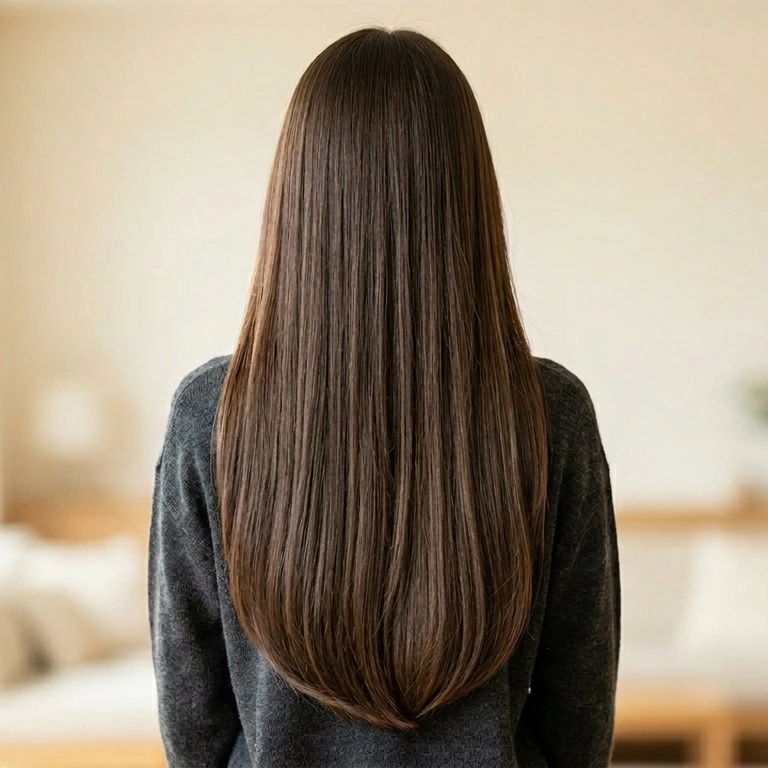
1) U-shape long layers (the safest upgrade)
A rounded perimeter that keeps ends full, with long blended layers for movement.
Suitable for: fine-to-medium hair, first-time layers, anyone who wants thick-looking ends
Ask your stylist for: long blended layers + a U-shaped perimeter (no shelves)
Styling tip: add a soft bend at the front pieces to show the shape
2) Butterfly layers (straight-hair version)
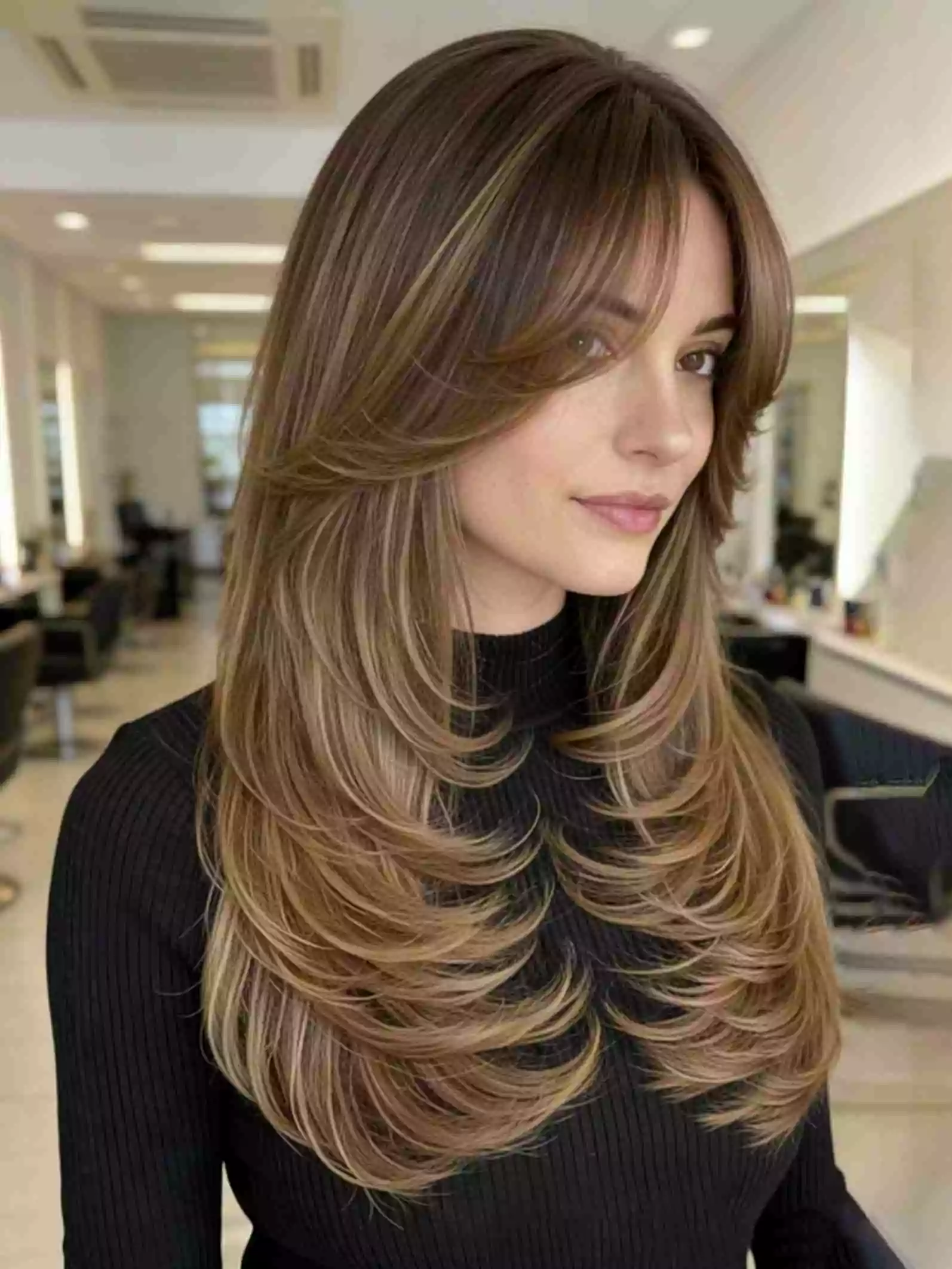
Shorter face-framing pieces + longer layers underneath to lift the silhouette without losing length.
Suitable for: flat crown, heavy top, medium-to-thick hair
Ask your stylist for: shorter face-framing layers that blend into long layers (no harsh steps)
Styling tip: round-brush the face frame outward for a lifted finish
3) Invisible / internal layers (movement without obvious steps)
Layers that reduce weight inside the shape, so the outside still looks sleek.
Suitable for: fine hair, sleek styles, work-friendly looks
Ask your stylist for: internal/invisible layers + keep the perimeter strong
Styling tip: blow-dry downward with tension for a smooth finish
More polished styling: Office
4) Face-framing layers (chin → collarbone range)
A clean front outline that shapes the face while keeping the rest of the length simple.
Suitable for: round/soft jawlines, “front feels heavy,” low styling routines
Ask your stylist for: face frame starting around chin/collarbone, blended into long layers
Styling tip: tuck behind the ears to show the face frame
Want fringe that grows out softly? Long Bangs

5) Blunt ends + internal layers (thick ends, lighter feel)
Keeps the bottom line dense while removing bulk above.
Suitable for: fine ends, “stringy” straight hair, anyone who wants thickness first
Ask your stylist for: blunt perimeter + internal debulking layers (not visible steps)
Styling tip: keep oil/serum only on the last 1–2 inches so ends look plush
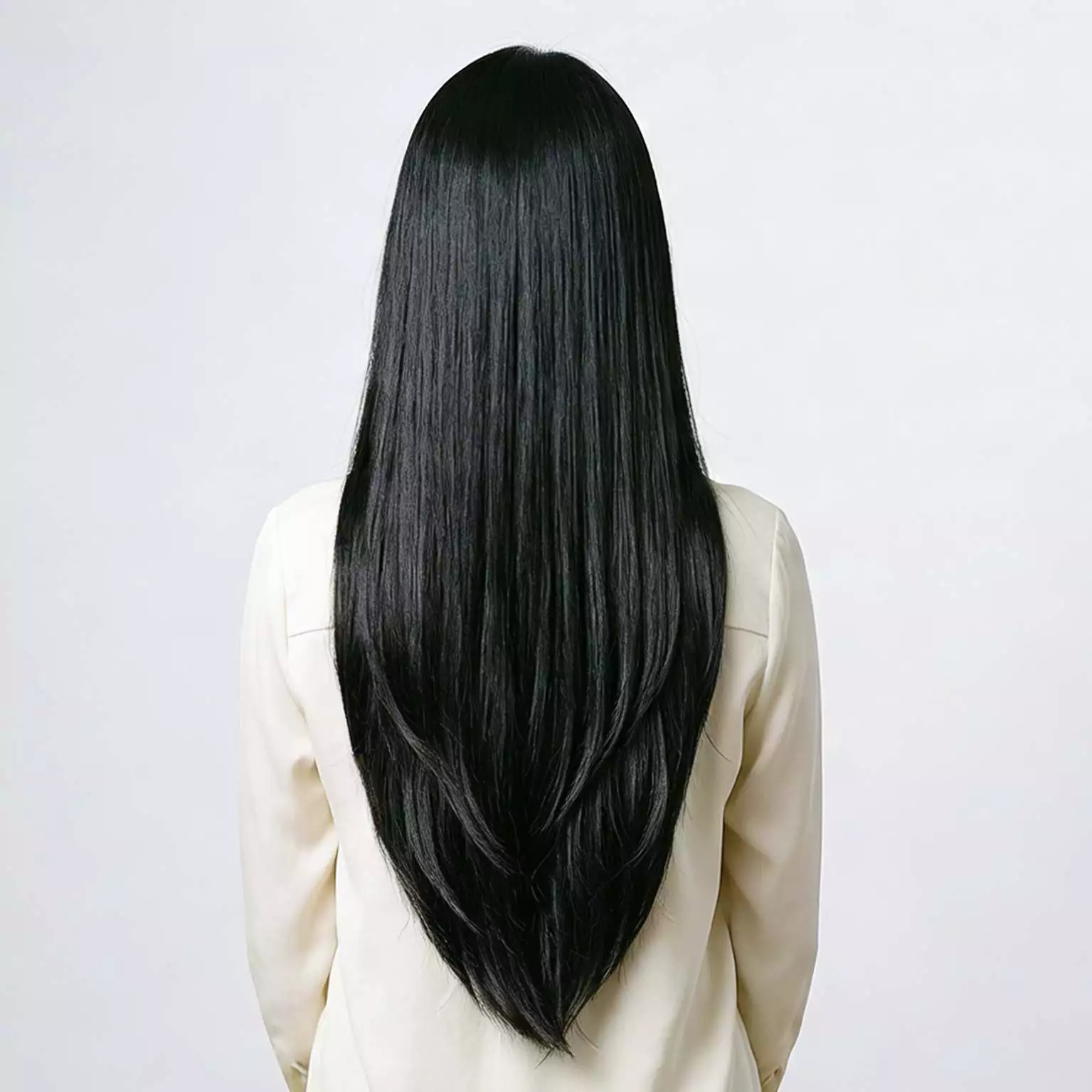
6) V-cut layers (for thick hair + very long lengths)
A more dramatic shape that removes weight through the mids.
Suitable for: thick hair, waist-length+ hair, people who want visible flow
Ask your stylist for: long V shape with blended layers; keep ends healthy (no over-thinning)
Styling tip: flip ends slightly outward to show the movement
If your ends are already thin, choose U-shape instead.
10 more haircut ideas
These are easy to ask for, and they grow out well.
Tip: Screenshot the name + the “Suitable for” line and show both to your stylist.
7) C-shaped long layers (quick blowout favorite)
Suitable for: anyone who likes a quick round-brush finish
Styling tip: curve the front pieces into a gentle “C” with a hot brush
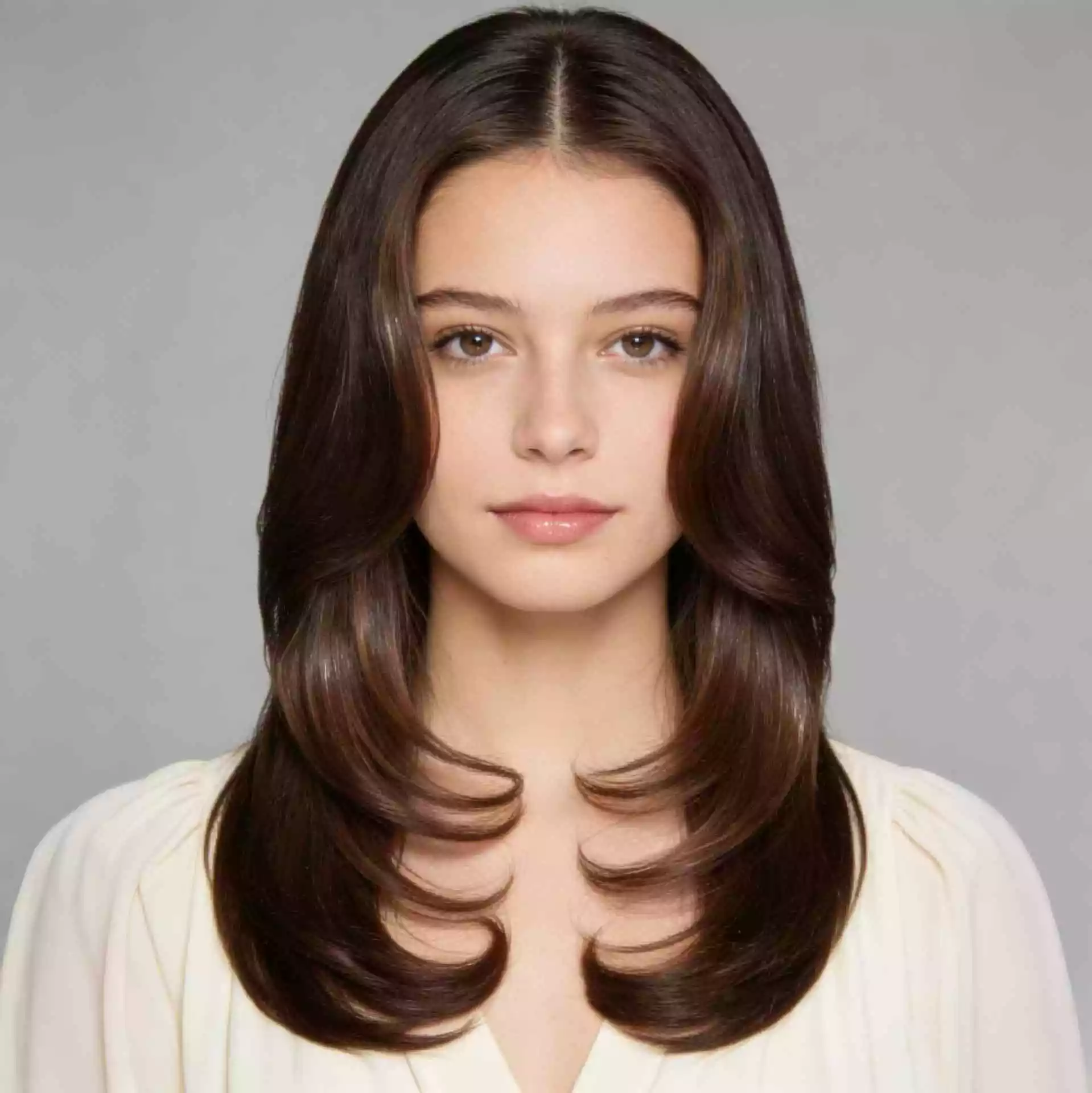
8) Collarbone-to-chest layers (growth-friendly reset)
Suitable for: grow-out phases, recovering ends, low-maintenance routines
Styling tip: keep the perimeter strong; let layers do the movement

9) Feathered long layers (airy movement)
Suitable for: medium-to-thick hair, people who want softness (not chunky steps)
Styling tip: blow-dry with a concentrator nozzle to keep the shape sleek
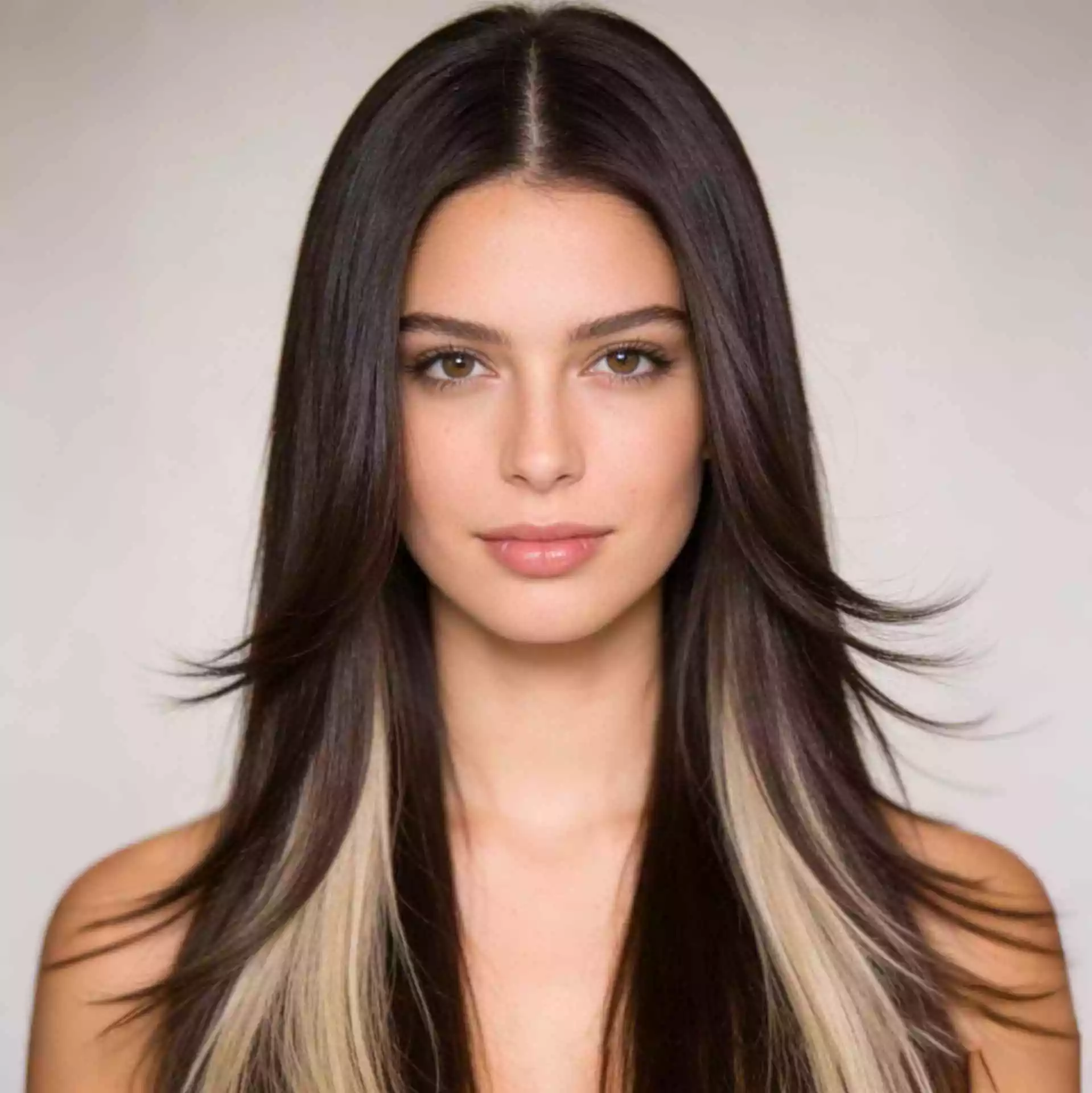
10) Long layers + curtain bangs (soft framing that grows out well)
Suitable for: oval/long faces, anyone who wants a softer front
Styling tip: center part + quick outward flick on the bangs
Explore: Long Bangs

11) Long layers with flipped ends (easy movement)
Suitable for: straight hair that feels too flat, blowout lovers
Styling tip: flip ends outward with a brush or iron, then cool-set
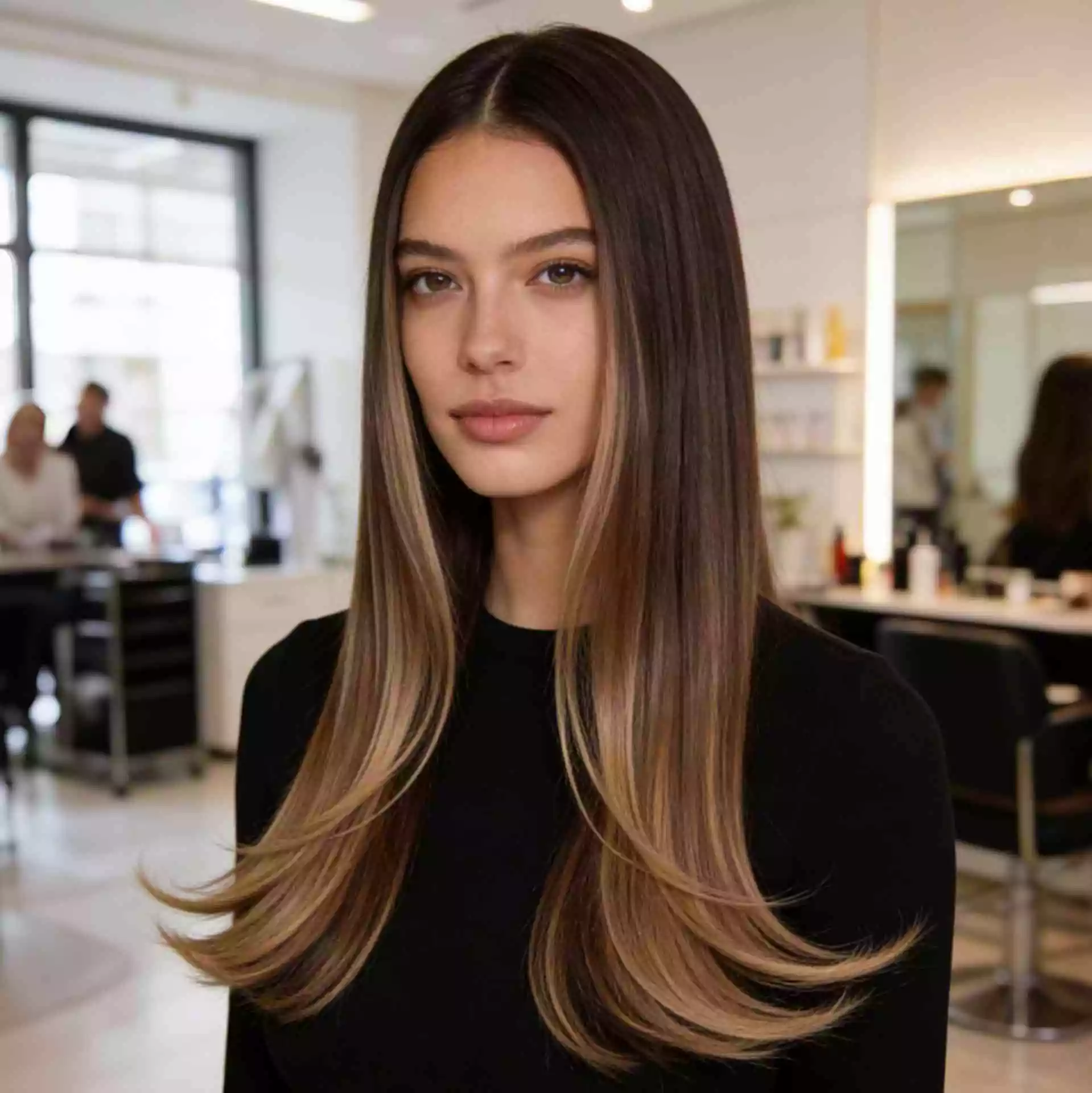
12) Long textured layers (subtle)
Suitable for: medium-to-thick hair, people who want more movement without going edgy
Styling tip: keep the top layers blended so it still looks clean when worn straight
Want a stronger version? Wolf
13) Face-frame + blunt perimeter (thick ends + flattering front)
Suitable for: fine ends, anyone who wants a “thicker” look instantly
Styling tip: tuck hair behind ears to show the front pieces

14) Subtle crown lift (internal layers + light face frame)
Suitable for: low styling, work-friendly routines
Styling tip: use a small amount of root mousse only at the crown
15) Minimal layers for pin-straight styling
Suitable for: fine hair, sleek looks, minimal styling
Styling tip: keep heat low and use a protectant for shine
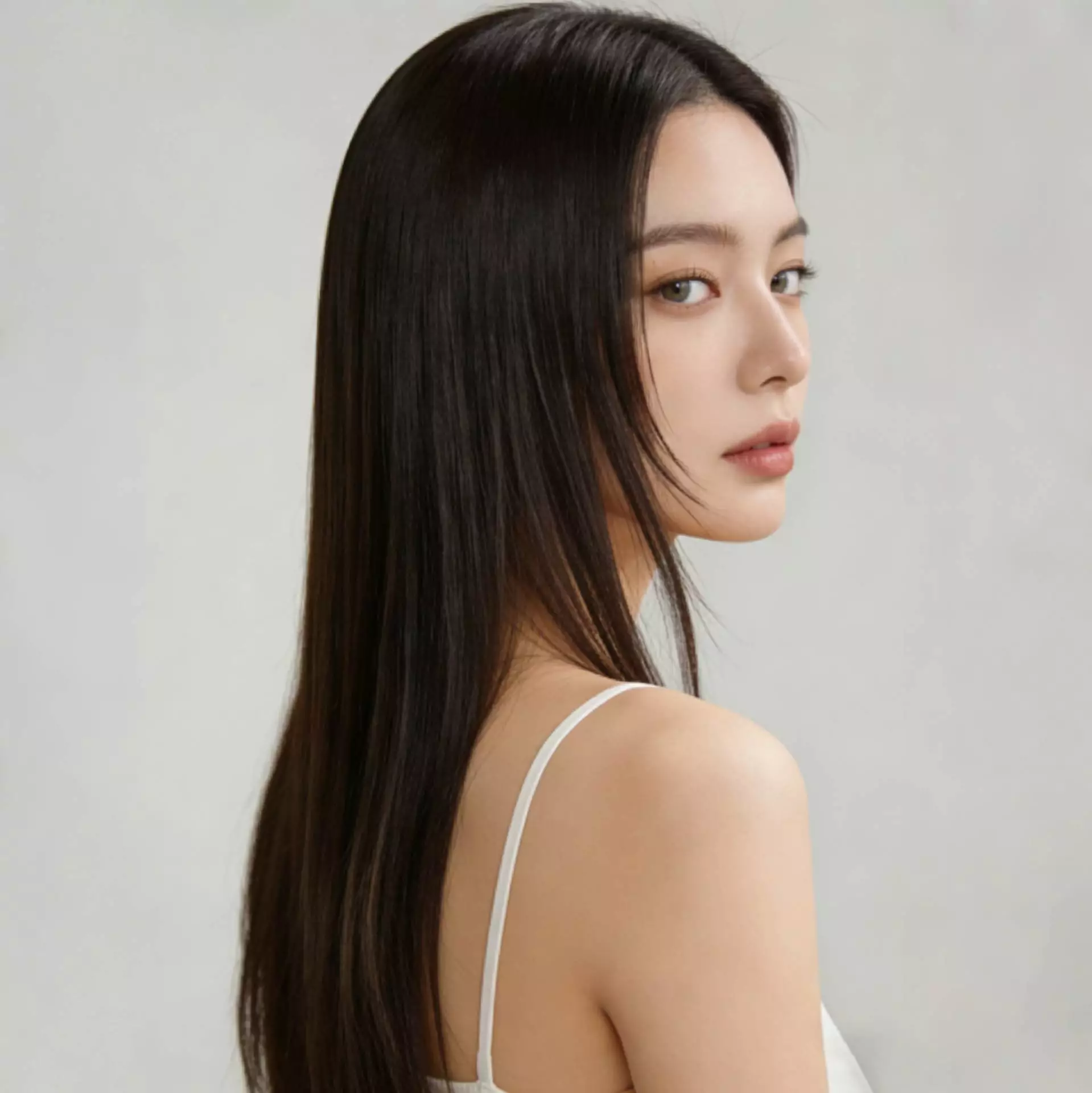
16) Deep layers for thick hair (internal debulk + blended ends)
Suitable for: thick hair, lots of density, bulky mids
Styling tip: ask for internal debulking first, then long blended layers
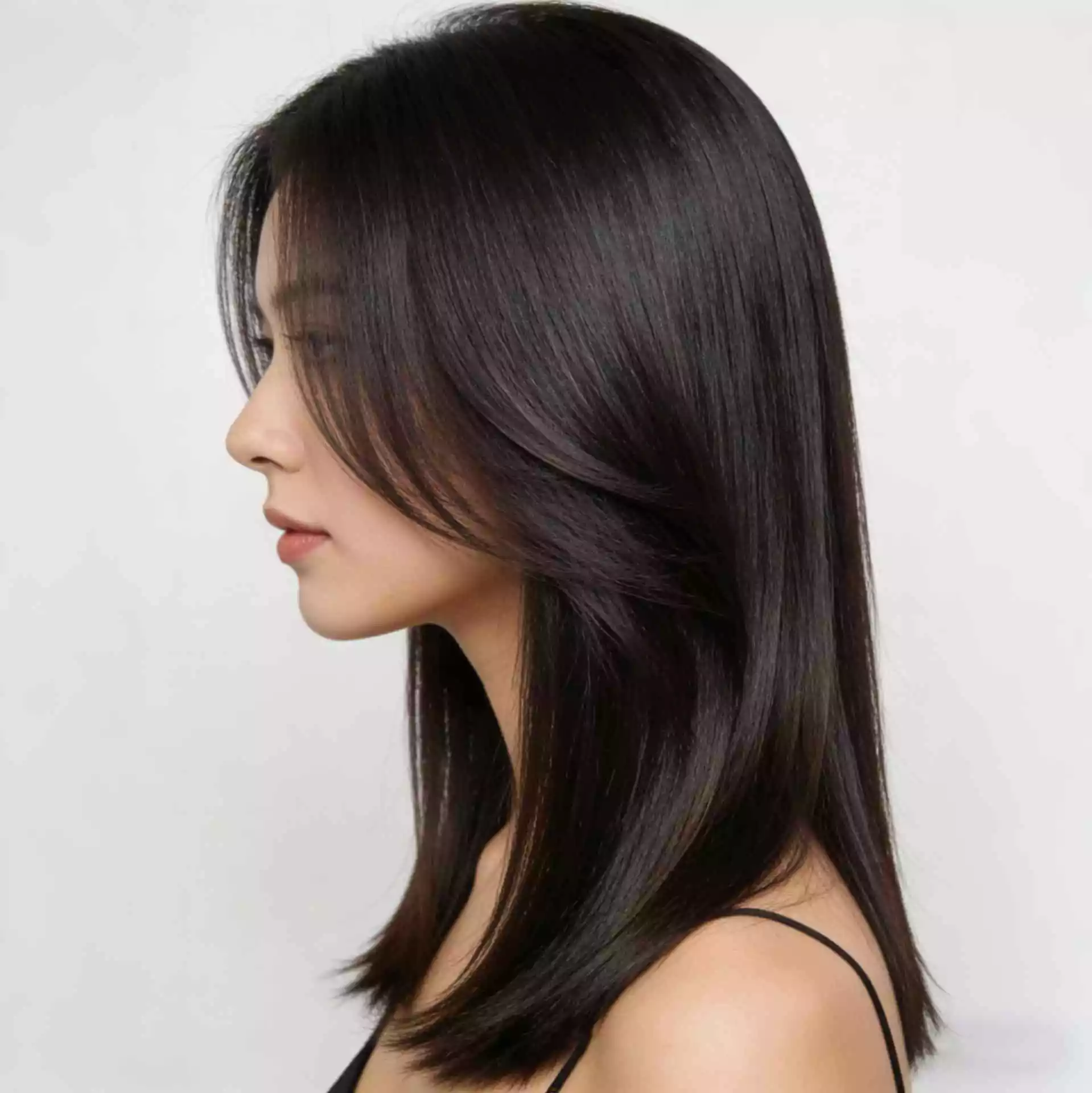
Avoid common mistakes
Straight hair shows mistakes quickly because it’s naturally smooth:
- Over-layering fine hair → ends turn wispy
- Layers starting too high → top gets fluffy, lengths look thin
- Visible shelves/steps → looks choppy when worn straight
- Too aggressive V-cut → perimeter loses density
- No face plan → front still feels heavy after “getting layers”
Stylist scripts
Script A — natural everyday layers (most people)
- “I want long blended layers that keep my length.”
- “Please keep the perimeter full—no thin ends.”
- “Add face-framing pieces starting around chin/collarbone.”
- “Blend everything—no shelves or steps.”
Script B — heavy hair that needs lightness
- “I need internal layers to remove weight, but keep the outside sleek.”
- “Take bulk from the mids, keep the ends healthy.”
Script C — sleek, work-friendly finish
- “I want invisible layers and a clean outline.”
- “Minimal styling, easy grow-out.”
More polished styling: Office
Styling
Watch: How to style long straight hair with layers
5-minute sleek routine (everyday)
- Apply heat protectant
- Blow-dry downward with tension (or smoothing brush)
- Finish with a tiny drop of lightweight oil on the last 2 inches
8–10 minute soft bend (best for layers)
Use a round brush or hot brush to curve the front pieces into a soft “C.”
This makes face-framing layers look intentional—even when your hair is naturally straight.
If you searched “how to fix frizzy hair”
On long straight hair, frizz is often dryness + friction:
- avoid rough towel rubbing
- add a lightweight leave-in
- protect ends from snagging
Next steps: Care → Routine → Maintenance
Maintenance
Trim rhythm (realistic + low drama)
- Fine hair: every 8–10 weeks
- Thick hair: every 10–12 weeks
Trim sooner if ends snag, split, or the shape starts to feel bottom-heavy.
Detangling matters
Long straight hair breaks from friction. Use a wide-tooth comb from ends upward: Detangle.
If you’re seeing split ends, start here: Split Ends.
FAQ
What are the best haircuts for long straight hair with layers?
For most people: U-shape long layers, butterfly layers, or invisible/internal layers—they add movement while keeping ends looking full.
Do layers make long straight hair look thinner?
They can if layers are too short or too aggressive. If you want thick-looking ends, choose U-shape or blunt ends + internal layers.
U-shape vs V-cut layers—what’s the difference?
U-shape keeps the perimeter fuller and “safer.” V-cut looks more dramatic and removes more weight through the mids (best for thick hair).
Butterfly layers vs regular long layers—what changes?
Butterfly layers use shorter face-framing pieces plus longer layers underneath for more lift around the crown and cheekbones.
What layered haircut is most work-friendly?
Invisible/internal layers or soft U-shape layers tend to look the most polished and grow out cleanly. See Office.
How often should I trim layered long hair?
A common rhythm is every 8–12 weeks, or sooner if your ends snag, split, or the shape feels bottom-heavy.
Can I try layers without committing?
Yes—preview the outline on your own photo first: Upload → Try layers.
Try More AI Tools
Try the look before you commit—then fine-tune details like face shape framing and color.
Explore the cluster
Parent: Long Hair Styles
Style guides:
Straight • Layers • Long Bangs • Wolf • Braid • Office • Wedding • Men
Care path:
Care • Split Ends • Detangle • Routine • Maintenance